Vaginal Yeast Infection: Causes, Symptoms & Treatment
Every woman desires to feel confident, fresh, and in control of her body. Yet, there are moments when discomfort takes over — itching, irritation, and unusual discharge that just won’t go away. If this sounds familiar, you might be dealing with a vaginal yeast infection — one of the most common yet often misunderstood conditions affecting women.
The good news is that yeast infections are treatable, especially when managed early by a qualified medical professional. At Virtual Doctors Africa, you can easily consult licensed doctors from the comfort of your home.
Let’s break it all down — what causes yeast infections, how to recognize them, and why you shouldn’t self-diagnose or rely solely on over-the-counter remedies.
What is a Vaginal Yeast Infection?
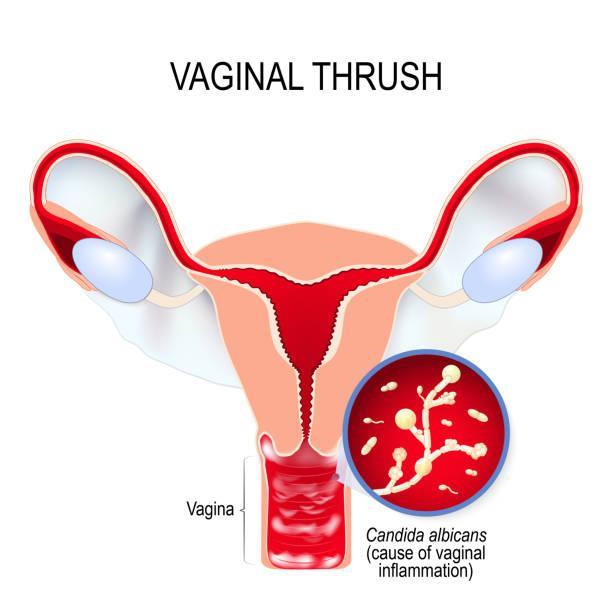
A vaginal yeast infection, medically known as Candidiasis, occurs when there is an overgrowth of a fungus called Candida albicans in the vagina. This fungus naturally lives in the vagina in small amounts, along with healthy bacteria that help maintain balance. However, when this balance is disrupted — for example, due to antibiotics, hormonal changes, or poor hygiene — Candida multiplies rapidly, leading to infection.
Yeast infections are very common — about 3 out of 4 women will experience one at some point in their lives. While they are not considered sexually transmitted infections, sexual activity can sometimes trigger or worsen them.
Common Causes of Yeast Infection
Understanding what triggers yeast infections can help you prevent future episodes. Here are the most common culprits:
-
Antibiotic use – While antibiotics fight bad bacteria, they can also kill good bacteria (like Lactobacillus) that keep yeast under control.
-
Hormonal changes – Pregnancy, menstruation, and birth control pills can increase estrogen levels, creating an environment that favors yeast growth.
-
Uncontrolled diabetes – High blood sugar encourages yeast to thrive.
-
Wearing tight or non-breathable underwear – Synthetic fabrics trap moisture and heat, creating the perfect breeding ground for yeast.
-
Poor personal hygiene – Not changing damp underwear or staying too long in wet clothes can promote fungal growth.
-
Weakened immune system – People with low immunity (e.g., from stress, HIV, or chronic illness) are more susceptible.
-
Use of scented products – Perfumed soaps, douches, and sprays can disrupt the vagina’s natural pH balance.
Recognizing the Symptoms
Yeast infections usually announce themselves with unmistakable signs. Watch out for:
-
Persistent itching and irritation around the vagina and vulva.
-
Thick, white vaginal discharge (often compared to cottage cheese).
-
Redness, swelling, or soreness around the vaginal area.
-
Pain or burning sensation during urination or sex.
-
In some cases, cracks or small cuts on the vulva due to scratching.
If you’re experiencing these symptoms, it’s essential to consult a qualified doctor rather than self-treating. Many women mistake yeast infections for other conditions like bacterial vaginosis or sexually transmitted infections (STIs), which require different treatments.
At Virtual Doctors Africa, you can get a proper diagnosis and medical advice within minutes. Simply visit www.virtualdoctors.ng or download the Virtual Doctors App here to register free and speak to a licensed healthcare provider.
Why You Shouldn’t Self-Diagnose:Vaginal Yeast Infection
While over-the-counter antifungal creams and suppositories are widely available, self-diagnosis can be risky. Using the wrong medication may worsen your condition or mask symptoms of more serious infections.
Sometimes, what you think is a yeast infection might be caused by:
-
Bacterial vaginosis (BV)
-
Trichomoniasis (a sexually transmitted infection)
-
Urinary tract infection (UTI)
-
Dermatitis or allergic reactions
Only a qualified healthcare professional can correctly identify the cause and prescribe the right treatment.
How Vaginal Yeast Infections Are Treated
Treatment depends on how severe the infection is. Your doctor may recommend:
-
Antifungal Creams or Suppositories – These are inserted into the vagina or applied around the vulva for several days.
-
Oral Antifungal Medication – It can often help to clears up mild infections.
-
Lifestyle Adjustments – Doctors often advise wearing cotton underwear, avoiding tight jeans, and maintaining good hygiene to prevent recurrence.
-
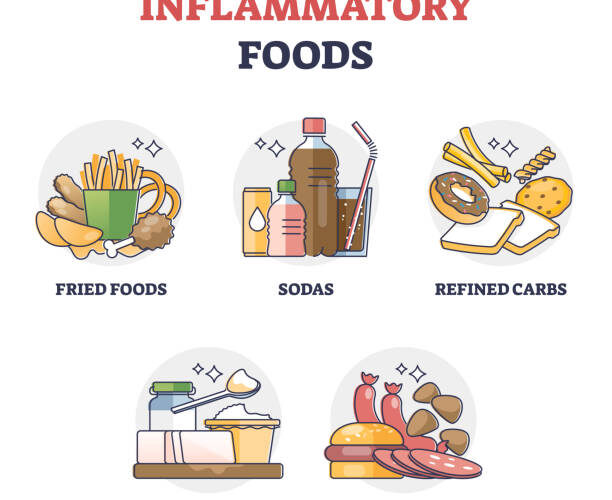
Dietary Support – Reducing sugar intake can help, as yeast thrives on sugar. Eating probiotics like yogurt may also help restore healthy bacteria in your system.
How to Prevent Future Infections:Vaginal Yeast Infection
-
Keep the vaginal area clean and dry.
-
Avoid using perfumed soaps, sprays, or douches.
-
Wear loose-fitting, breathable cotton underwear.
-
Change out of wet clothes (like swimsuits or gym wear) promptly.
-
Control blood sugar levels if you’re diabetic.
-
Avoid unnecessary use of antibiotics.
Taking these preventive measures can go a long way in maintaining your vaginal health.
When to See a Doctor Immediately
Seek medical help if:
-
This is your first time experiencing these symptoms.
-
The infection keeps coming back (more than 4 times a year).
-
You’re pregnant or diabetic.
-
The discharge has a strong odor, yellowish color, or foamy texture.
-
You experience fever, chills, or pelvic pain.
These could indicate a more serious infection or complication.
Get Professional Help from Virtual Doctors Africa: Vaginal Yeast Infection
Vaginal yeast infections can be frustrating, but they don’t have to disrupt your comfort or confidence. The key is getting expert medical guidance — not just random advice or internet remedies.
At Virtual Doctors Africa, you can:
- Chat live with certified doctors
- Get prescriptions and treatment advice instantly
- Book appointments without queues or travel
- Enjoy free registration
Remember, your body deserves care from experts who understand women’s health. Don’t ignore the signs — act early, get treated right, and stay healthy with Virtual Doctors Africa.