
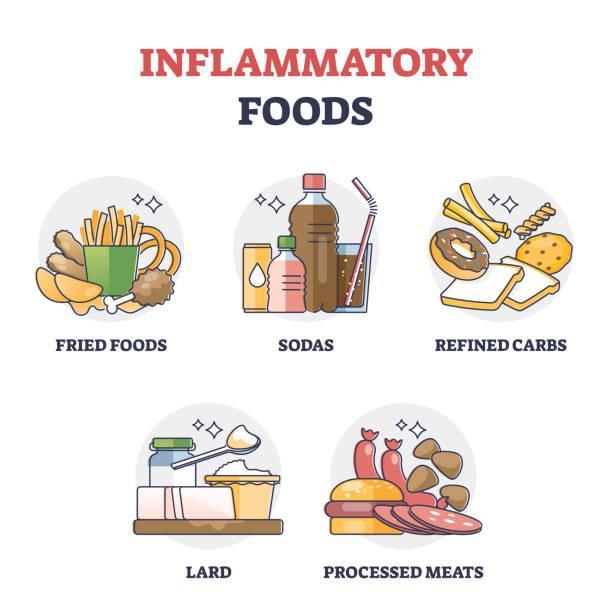
Foods That Quietly Increase Inflammation
Foods That Increase Inflammation
Many people hear the word inflammation and immediately think of swelling or redness after an injury. However, inflammation can also occur silently inside the body. This type of inflammation may not cause obvious symptoms at first, but over time it can contribute to various health problems.
Chronic inflammation has been linked to conditions such as heart disease, diabetes, joint pain, digestive disorders, fatigue, and even some autoimmune diseases. One of the biggest contributors to silent inflammation is the food we eat every day.
Some foods can quietly trigger inflammatory reactions in the body, especially when they are consumed frequently or in large amounts. Understanding these foods can help you make healthier choices and protect your long-term health.
What Is Inflammation?: Foods That Increase Inflammation
Inflammation is the body’s natural defense response to injury, infection, or harmful substances. When the body detects something harmful, the immune system sends protective cells to fight the threat and start the healing process.
Short-term inflammation helps the body recover. But when inflammation continues for a long time, it can begin to damage healthy tissues and organs.
One of the major triggers of long-term inflammation is diet.
Refined Sugar and Sugary Drinks
Sugar is one of the most common ingredients in modern diets. It is found in soft drinks, sweets, pastries, flavored yogurts, desserts, and many processed foods.
Excess sugar can cause spikes in blood sugar levels and increase the production of inflammatory chemicals in the body. Over time, too much sugar consumption may contribute to weight gain, insulin resistance, and metabolic disorders.
Reducing sugary beverages and replacing them with water, natural juices, or unsweetened drinks can help reduce inflammation.
Refined Carbohydrates
Refined carbohydrates are foods made from processed grains that have lost much of their fiber and nutrients. Examples include white bread, white rice, pastries, noodles made from refined flour, and many packaged snacks.
These foods are quickly broken down into sugar in the body, causing rapid increases in blood glucose levels. Frequent spikes in blood sugar can trigger inflammatory responses and increase the risk of chronic diseases.
Choosing whole grains such as brown rice, oats, and whole wheat products can help maintain better balance in the body.
Deep-Fried Foods
Fried foods are popular in many diets, but frequent consumption can quietly increase inflammation. Foods such as fried chicken, French fries, fried snacks, and heavily fried street foods often contain unhealthy fats.
During deep frying, oils may produce harmful compounds that contribute to oxidative stress and inflammation. Regular consumption of these foods may affect heart health and overall wellbeing.
Opting for grilled, steamed, or baked foods instead of fried options can make a significant difference in reducing inflammation.
Processed and Preserved Meats
Processed meats include foods such as sausages, hot dogs, bacon, smoked meats, and some packaged deli meats. These products often contain preservatives, sodium, and chemical additives that may promote inflammation in the body.
High intake of processed meats has been associated with increased risk of heart disease and other chronic health issues.
Replacing processed meats with healthier protein sources such as fish, beans, eggs, and lean poultry can support better health.
Highly Processed Vegetable Oils
Some commonly used cooking oils, especially highly refined vegetable oils, may contribute to inflammation when consumed in excess. Oils such as soybean oil, corn oil, and certain industrial cooking oils are widely used in packaged foods and fast food.
While small amounts may not cause harm, frequent consumption of foods cooked with these oils can affect the body’s balance of healthy fats.
Healthier alternatives such as olive oil, avocado oil, or natural fats in moderation may support better inflammatory balance.
Excess Alcohol Consumption: Foods That Increase Inflammation
Alcohol in moderate amounts may not be harmful for everyone, but excessive alcohol intake can irritate the digestive system and increase inflammatory processes in the body.
Too much alcohol may also affect liver health, gut bacteria, and immune function.
Limiting alcohol consumption and maintaining healthy lifestyle habits can help reduce inflammation risks.
How to Reduce Inflammation Through Diet
The good news is that inflammation can often be reduced through simple lifestyle changes. Choosing whole, natural foods instead of highly processed options can significantly improve health.
Foods that help support the body include:
-
Fresh fruits and vegetables
-
Whole grains
-
Nuts and seeds
-
Fish rich in healthy fats
-
Legumes and beans
-
Natural herbs and spices
Drinking enough water, exercising regularly, managing stress, and getting enough sleep also help the body maintain a healthy balance.
Take Control of Your Health: Foods That Increase Inflammation
Many foods that quietly increase inflammation are common in everyday diets. Becoming aware of these foods and making healthier choices can help protect your body and reduce the risk of chronic disease.
If you are experiencing persistent health issues or want professional guidance on improving your health naturally, the medical professionals at Virtual Doctors Africa are available to provide expert advice and healthcare support.
Download the Virtual Doctors Africa app on Google Play to get started: https://play.google.com/store/apps/details?id=ng.virtualdoctors.app
Taking small steps today toward healthier eating can lead to stronger health and better wellbeing in the future.