Causes of Low Libido in Men
Low Libido in Men
Libido, also known as sexual drive or desire, is a normal part of life for men. It affects relationships, confidence, and overall well-being. Low libido simply means a reduced interest in sexual activity. Occasional low desire is common, but persistent low libido may signal an underlying problem that needs attention. Understanding the causes and seeking professional help can make a huge difference.
What Low Libido Means
Low libido is more than just feeling less interested in sex for a day or two. It’s a noticeable drop in sexual desire that affects your mood, relationships, or self-esteem over time. Men with low libido may:
-
Experience little or no desire for sexual activity
-
Have fewer sexual thoughts or fantasies
-
Struggle with arousal or maintaining interest
-
Feel frustrated or stressed about sexual performance
It’s important to note that libido naturally changes with age, stress, and lifestyle. However, when it persists, it may indicate a physical, emotional, or psychological issue.
Common Causes of Low Libido in Men
Low libido can be caused by a combination of physical, psychological, and lifestyle factors.
1. Hormonal Imbalances
Testosterone is the main male sex hormone, and low levels can directly reduce sexual desire. Conditions such as hypogonadism, pituitary gland disorders, or aging can lower testosterone. Low testosterone may also cause fatigue, mood swings, and reduced muscle mass.
2. Stress and Mental Health Issues
Chronic stress, anxiety, depression, and emotional strain can significantly reduce libido. Worrying about work, finances, or relationships can make sexual desire a low priority. Mental health problems often affect both desire and performance.
3. Relationship Problems
Conflict, poor communication, or lack of intimacy in a relationship can reduce sexual desire. Emotional distance, unresolved arguments, or mistrust can affect libido, even if physical health is good.
4. Medications
Some prescription drugs can lower libido, including:
-
Antidepressants (especially SSRIs)
-
Blood pressure medications
-
Painkillers or opioid use
-
Hormone-related treatments
Always consult your doctor before changing or stopping medication.
5. Chronic Health Conditions
Several medical conditions can impact sexual drive:
-
Diabetes, which can affect blood flow and nerve function
-
Heart disease and high blood pressure
-
Obesity or metabolic syndrome
-
Kidney or liver disease
These conditions often reduce energy, circulation, or hormonal balance, leading to lower libido.
6. Lifestyle Factors
Lifestyle choices play a big role in sexual desire. Factors such as:
-
Excessive alcohol consumption
-
Smoking
-
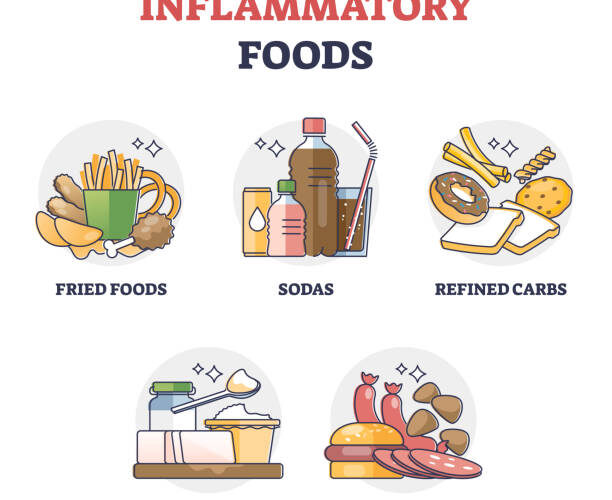
Poor diet or lack of exercise
-
Sleep deprivation
All of these can reduce testosterone, energy, and overall sexual interest.
7. Aging
Libido naturally decreases as men age due to changes in testosterone levels, blood flow, and energy. However, healthy habits and professional guidance can help maintain sexual desire even in later years.
Symptoms to Watch Out For
Low libido can present with other signs, such as:
-
Difficulty achieving or maintaining erections
-
Reduced sexual thoughts or fantasies
-
Fatigue or low energy
-
Irritability, mood swings, or depression
-
Loss of confidence or self-esteem
Recognizing these signs early can help you seek timely treatment and avoid long-term relationship or health issues.
Solutions and How to Improve Libido: Low Libido in Men
Improving libido often requires addressing both physical and emotional factors. Some strategies include:
-
Healthy Lifestyle Changes
-
Exercise regularly to boost testosterone and circulation
-
Eat a balanced diet rich in fruits, vegetables, and healthy fats
-
Limit alcohol and quit smoking
-
Prioritize sleep
-
Stress Management
-
Practice relaxation techniques such as meditation, yoga, or deep breathing
-
Communicate openly with your partner
-
Seek counseling or therapy if needed
-
Medical Treatment: Low Libido in Men
If low libido is due to medical conditions, hormonal imbalances, or medications, a doctor can provide solutions such as:
-
Testosterone replacement therapy
-
Adjusting medications
-
Treating underlying conditions like diabetes or heart disease
-
Professional Support
Sometimes emotional or psychological support from a qualified counselor or sex therapist is needed.
When to Consult a Doctor: Low Libido in Men
You should consult a doctor or urologist if:
-
Low libido persists for several months
-
It is affecting your relationship or self-esteem
-
You notice other symptoms like erectile dysfunction, fatigue, or mood changes
-
You suspect hormonal or chronic health issues
Early consultation helps identify the cause and ensures the right treatment.
Virtual Doctors Can Help
If you’re experiencing low libido, don’t wait in silence. Virtual Doctors connects you with qualified and experienced doctors and urologists who can assess your situation from the comfort of your home.
Through online consultations, your doctor can:
-
Review your medical history
-
Discuss medications and lifestyle factors
-
Order tests if necessary
-
Provide treatment plans tailored to your needs
Virtual Doctors ensures privacy, convenience, and professional guidance, helping men regain their confidence, health, and sexual wellness. Download the Virtual Doctors Africa app on Google Play to get started: https://play.google.com/store/apps/details?id=ng.virtualdoctors.app
Key Notes: Low Libido in Men
-
Low libido is a persistent decrease in sexual desire, not occasional low interest.
-
Causes include hormonal imbalances, stress, relationship issues, medications, chronic illnesses, lifestyle factors, and aging.
-
Early recognition and intervention are essential.
-
Healthy lifestyle changes, stress management, and professional support can improve libido.
-
Consult a qualified doctor or urologist if low libido persists or affects your life.
Sexual health is part of overall well-being. Contact Virtual Doctors today to speak with experienced urologists and regain your sexual health and confidence safely and conveniently.