
How Wearable Devices Are Transforming Preventive Healthcare
In the past, keeping track of your health often meant waiting for a doctor’s appointment, getting lab tests, or noticing symptoms when it was already too late. Today, technology is changing that, and wearable devices are at the center of this health revolution. From smartwatches to fitness trackers, these gadgets are helping people monitor their health in real time, prevent serious illnesses, and make better lifestyle choices.
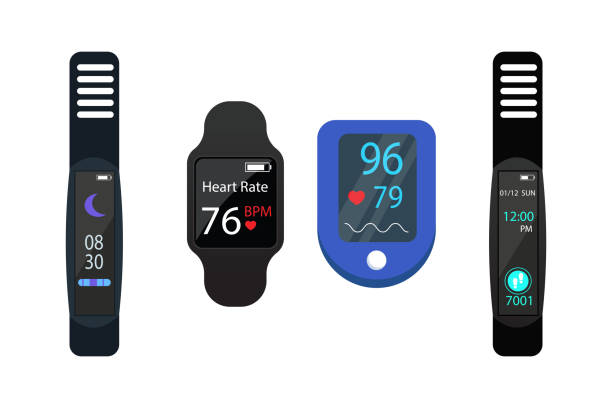
In simple terms, wearable health devices are gadgets you wear on your body that track and measure important information about your health. They can record your heart rate, sleep patterns, daily steps, calories burned, oxygen levels, and even detect irregular heart rhythms. These devices give you immediate feedback, helping you understand your body better and make decisions before a small problem turns into a serious health issue.
How Wearable Devices Help in Preventive Healthcare: Wearable Health Devices
Preventive healthcare is all about stopping illnesses before they start or catching them early when treatment is easier and more effective. Wearable devices are transforming preventive care in several ways:
1. Continuous Health Monitoring
Unlike a doctor’s visit, which happens once in a while, wearable devices track your health 24/7.
-
Heart rate monitors alert you to unusual spikes or drops.
-
Blood oxygen sensors show if your oxygen levels are low.
-
Step counters and activity trackers remind you to move if you’ve been inactive.
This continuous monitoring allows you to notice trends in your health, which can help detect problems early.
2. Early Detection of Health Issues: Wearable Health Devices
Wearables can detect signs of health problems before you feel symptoms.
-
Some smartwatches can sense irregular heart rhythms that may indicate atrial fibrillation.
-
Advanced devices can monitor stress levels or sleep patterns, which can be early indicators of anxiety, depression, or other health issues.
Early detection can save lives because it gives you the chance to see a doctor before a small problem becomes serious.
3. Encouraging Healthy Habits
Wearables do more than just track numbers—they encourage positive lifestyle changes.
-
Reminders to stand up, move, or exercise help reduce sedentary behavior.
-
Sleep tracking helps you improve your sleep quality.
-
Activity trackers reward daily goals, like walking 10,000 steps or burning a set number of calories.
By making you more aware of your habits, these devices motivate you to take care of your body every day.
4. Managing Chronic Conditions: Wearable Health Devices
For people living with chronic illnesses like diabetes, hypertension, or heart disease, wearables are a game-changer.
-
Continuous glucose monitors track blood sugar levels without repeated finger pricks.
-
Heart monitors can warn users when blood pressure or heart rate reaches unsafe levels.
-
Respiratory sensors can help asthma patients monitor their breathing.
These devices allow people to manage their conditions in real time, reducing hospital visits and preventing emergencies.
5. Integrating With Telemedicine
Wearables can share your health data directly with your doctor.
-
This integration helps doctors understand your health trends over time, rather than relying on a single measurement at an appointment.
-
Telemedicine platforms can use wearable data to provide personalized advice, adjust medications, or suggest lifestyle changes.
This means you don’t always have to travel to the hospital to get expert guidance.
What People Should Know About Wearable Health Devices
While wearable devices are exciting, it’s important to use them wisely. Here’s what everyone should know:
1. They Are Not a Replacement for Doctors
Wearables are great for monitoring and early warning, but they cannot replace professional medical care. If your device alerts you to an unusual health reading, you should see a doctor immediately for proper evaluation.
2. Accuracy Can Vary
Not all devices are equally accurate. While many provide useful trends, readings may sometimes be slightly off. Always use the data as a guide, not a diagnosis.
3. Protect Your Data
Wearables collect sensitive health information. Make sure you use secure apps and avoid sharing personal health data publicly.
4. Combine with Healthy Habits
Tracking is only effective if it leads to action. Eat well, exercise, sleep enough, manage stress, and follow your doctor’s advice. Wearables are tools, not magic solutions.
Your Health, Your Responsibility:Wearable Health Devices
Wearable devices are transforming preventive healthcare by giving people knowledge, awareness, and control over their health. They help detect problems early, encourage healthy behaviors, and support the management of chronic conditions.
However, technology alone is not enough. If you notice unusual health readings, or if you have concerns about your health, always consult a qualified doctor.
👉 Talk to a doctor online anytime through Virtual Doctors Africa.
-
Fast, affordable, and convenient
-
Professional guidance based on your wearable health data
-
Personalized advice to prevent illness and manage your health
Book your consultation now at www.virtualdoctors.ng
Download the Virtual Doctors Africa app on Google Play to get started: https://play.google.com/store/apps/details?id=ng.virtualdoctors.app
With the right tools and professional guidance, you can take control of your health, prevent illnesses, and live a healthier life one step at a time.