How to Improve Digestive System Naturally
Improve Digestive System
The human digestive system is one of the most vital systems in the body. It breaks down food into nutrients, absorbs essential vitamins and minerals, and eliminates waste. When it functions properly, you feel energetic, clear-headed, and balanced. But when your digestive system is sluggish or imbalanced, it can lead to symptoms such as bloating, constipation, gas, heartburn, and nutrient deficiencies.
The good news is that you can improve your digestive health naturally by understanding how your body works and supporting it with science-backed lifestyle changes. Improve Digestive System
1. Support Gut Microbiome Health: Improve Digestive System
Your gut is home to trillions of microorganisms—collectively known as the gut microbiome—that play a crucial role in digestion, immune defense, and even mood regulation. An imbalance in these microorganisms, called dysbiosis, can cause digestive discomfort and inflammation.
What you can do:
-
Eat fermented foods such as yogurt, kefir, sauerkraut, and kimchi. These contain probiotics—beneficial bacteria that restore gut balance.
-
Increase prebiotic foods like bananas, onions, garlic, and oats. Prebiotics feed the good bacteria in your intestines.
-
Avoid excessive antibiotics and processed foods that disrupt microbial balance.
Scientific studies show that maintaining a healthy gut microbiome improves digestion, reduces inflammation, and enhances overall health.
2. Eat More Fiber-Rich Foods
Dietary fiber is a key component of digestive health. It adds bulk to your stool, promotes regular bowel movements, and feeds beneficial gut bacteria. There are two types of fiber—soluble and insoluble—and both are essential.
-
Soluble fiber, found in oats, apples, and beans, dissolves in water and forms a gel-like substance that helps regulate blood sugar and cholesterol.
-
Insoluble fiber, found in whole grains and vegetables, adds roughage to the stool and prevents constipation.
Aim for at least 25–35 grams of fiber daily, depending on your diet and activity level.
3. Stay Hydrated
Water plays a silent but vital role in digestion. It helps dissolve nutrients and facilitates their transport through the digestive tract. Dehydration can lead to constipation and poor nutrient absorption.
To improve digestion:
-
Drink at least 8–10 glasses of water daily.
-
Increase intake during hot weather or after physical activity.
-
Limit sugary sodas and alcohol, which can dehydrate your system.
Hydration ensures smooth bowel movements and maintains the mucosal lining of your intestines.
4. Practice Mindful Eating
The digestive process begins in the brain. When you eat in a relaxed state, your brain sends signals to the stomach to release digestive enzymes and gastric acids. However, stress or eating in a hurry can suppress these signals, leading to indigestion and bloating.
To improve digestion naturally:
-
Eat slowly and chew food thoroughly.
-
Avoid eating while angry, anxious, or distracted.
-
Engage your senses—smell, taste, and appreciate your food.
Scientific evidence links mindful eating with reduced bloating, better nutrient absorption, and healthier gut-brain communication.
5. Manage Stress and Sleep Well
Your gut and brain communicate through what is called the gut-brain axis. High stress levels can trigger symptoms such as constipation, diarrhea, and stomach cramps by altering gut motility and microbial balance. Poor sleep further disrupts digestion and hormone regulation.
Natural ways to reduce stress include:
-
Practicing deep breathing, meditation, or yoga.
-
Spending time outdoors.
-
Maintaining a regular sleep schedule.
A well-rested, calm mind supports a balanced digestive system.
6. Exercise Regularly: Improve Digestive System
Physical activity stimulates intestinal contractions, improving bowel movement and reducing the risk of constipation. Regular exercise also supports metabolic health and helps control weight, both of which are crucial for digestive efficiency.
You don’t need intense workouts—walking, stretching, and yoga are simple but effective ways to keep your digestive system active.
7. Limit Processed Foods and Sugar
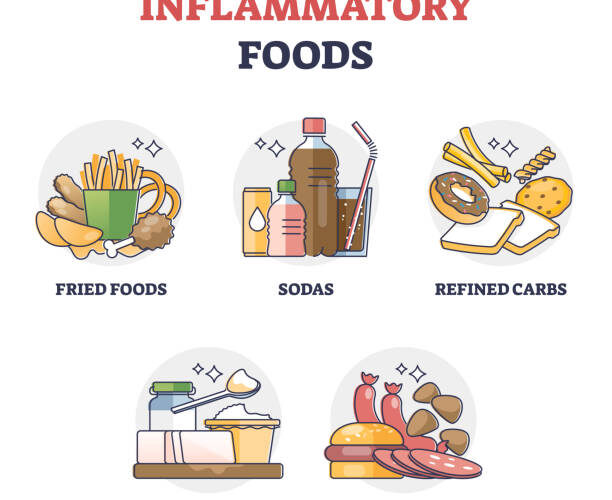
Processed foods are often loaded with refined sugar, unhealthy fats, and preservatives that harm gut health and slow digestion. Excess sugar feeds harmful bacteria and yeast, creating imbalance in the gut microbiome.
Replace processed snacks with whole foods, including fruits, vegetables, lean proteins, and healthy fats. Your digestive system thrives on real, unprocessed nutrition.
Your Gut Health is Your Foundation for Wellness: Improve Digestive System
A healthy digestive system isn’t just about avoiding discomfort—it’s about optimizing how your entire body functions. Better digestion means better energy, stronger immunity, and clearer thinking.
At Virtual Doctors Africa, we encourage everyone to take proactive steps toward wellness. If you experience persistent digestive issues, don’t ignore them. Consult a qualified doctor online at www.virtualdoctors.ng or download the Virtual Doctors App on Google Play to register for free:
👉 Click here to download
Your journey to better digestion starts with knowledge—and Virtual Doctors Africa is here to guide you every step of the way.