
What Your Urine Color Says About Your Health
Many people flush the toilet without taking a second look at their urine. But the color of your urine can tell you a lot about what is happening inside your body. It can give early signs about your hydration level, infections, liver health, kidney function, and even what you recently ate or drank. This article will help you understand what different urine colors mean, when to relax, and when to seek medical advice.
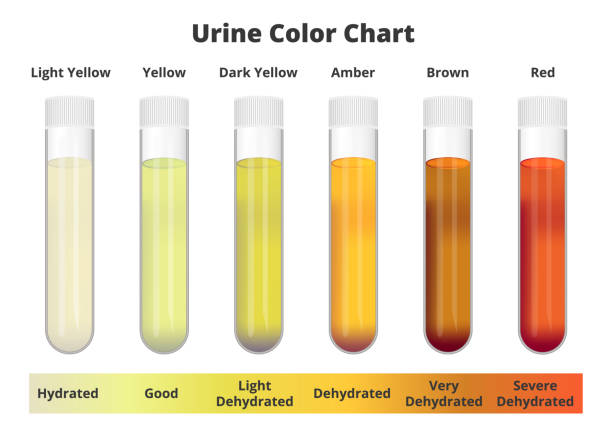
1. Clear or Very Pale Yellow Urine
This usually means you are well hydrated. Your body has enough water, and your kidneys are working well. However, if your urine is always completely clear, it may mean you are drinking too much water, which can sometimes dilute important minerals in your body. Balance is key.
What to know:
-
Normal and healthy in most cases
-
Drink water moderately, not excessively
2. Light Yellow Urine: Your Urine Color
This is the ideal urine color. It shows your body is properly hydrated and functioning well.
What to know:
-
This is what you should aim for daily
-
Indicates good kidney function
3. Dark Yellow or Amber Urine
This often means dehydration. Your body is trying to save water, so urine becomes more concentrated.
What to know:
-
Drink more water
-
Common in hot weather or after exercise
-
If it continues despite drinking water, speak to a doctor
4. Orange Urine
Orange urine can be caused by dehydration, certain medications, or liver and bile duct problems.
What to know:
-
May signal liver issues if persistent
-
Can be caused by drugs or supplements
-
Needs medical attention if it lasts more than a short time
5. Pink or Reddish Urine: Your Urine Color
This can be caused by eating foods like beetroot, but it can also indicate blood in the urine, which should never be ignored.
What to know:
-
Could signal infection, kidney stones, or other conditions
-
Always consult a doctor if unsure
-
Do not assume it is food-related without confirmation
6. Brown or Tea-Colored Urine
This color may point to severe dehydration, liver problems, or muscle injury.
What to know:
-
Not normal
-
Seek medical advice quickly
-
May be linked to liver or kidney issues
7. Cloudy or Milky Urine
Cloudy urine is often a sign of urinary tract infection (UTI) or dehydration.
What to know:
-
May come with pain or frequent urination
-
Needs medical evaluation
-
Common but treatable if addressed early
8. Foamy or Bubbly Urine: Your Urine Color
Occasional foam can be normal, but persistent foam may indicate protein in the urine, which can be linked to kidney problems.
What to know:
-
If it happens often, do not ignore it
-
Requires medical advice and possible tests
What You Should Understand Clearly
-
Urine color is a simple health signal, not something to ignore
-
Changes that last more than a day or two need attention
-
Dehydration is common but easy to fix
-
Some urine color changes are warning signs of serious health issues
-
Early medical advice can prevent complications
When to Talk to a Doctor: Your Urine Color
You should consult a doctor if:
-
Your urine color changes suddenly and stays that way
-
You notice blood, pain, or burning sensation
-
You feel weak, dizzy, or unwell alongside urine changes
-
You are unsure what the color means
Take Action: Talk to Virtual Doctors Today
You do not need to panic or self-diagnose. Virtual Doctors makes it easy to speak with a qualified medical professional from the comfort of your home. Instead of guessing, get clear answers, proper guidance, and peace of mind.
Download the Virtual Doctors Africa app on Google Play to get started: https://play.google.com/store/apps/details?id=ng.virtualdoctors.app
Your body is always speaking to you. Listen early, act wisely, and contact Virtual Doctors today for all your health-related concerns.