Health Risks Related to Climate Change
Health Risks Related
Climate change is no longer a distant problem that scientists talk about on TV. It is already happening right around us affecting our weather, our food, our environment, and even our health. Many people hear the word climate change and think it only means “hot weather,” but it is much more than that. Climate change influences the air we breathe, the water we drink, the diseases around us, and even how our bodies feel daily.
This article explains, in simple language, what climate change is, what causes it, and the health risks it brings to people, especially in Africa. Most importantly, you will learn what you can do to stay healthy and protect your family.
What Is Climate Change?
Climate change means a long-term change in average weather conditions on earth. This includes changes in temperature, rainfall patterns, humidity, wind, and extreme weather events.
For example:
-
If a region starts having hotter days than before…
-
If rainy seasons become shorter or heavier…
-
If flooding becomes more common…
-
If harmattan becomes more severe than usual…
…all these are signs of climate change.
In simple terms, climate change happens when the earth becomes warmer due to harmful activities, leading to unpredictable and extreme weather.
What Causes Climate Change?: Health Risks Related
Global warming is mainly caused by what are called greenhouse gases (GHGs). These gases trap heat in the atmosphere, making the earth warmer, health risks related.
The major causes include:
1. Burning of fuel: Health Risks Related
When we burn petrol, diesel, kerosene, coal, firewood, or gas for:
-
electricity
-
transportation
-
cooking
-
factories
…they release carbon dioxide (CO₂) and other gases that warm the atmosphere.
2. Deforestation (cutting down trees)
Trees help remove harmful gases from the air.
But when we cut down trees for farming, firewood, building, or urban development, fewer trees remain to clean the atmosphere.
3. Industrial and agricultural activities
Industries, farms, and waste dumps release gases like methane and nitrous oxide that increase global warming.
4. Poor waste management
Burning waste, open refuse dumps, and rotting organic waste produce harmful gases that contribute to climate change.
5. Population growth & urbanization
More people means more cars, more cooking, more electricity use, and more waste all contributing to climate change.
How Climate Change Affects Your Health
This does not just affect the weather, it affects your body. Below are the major health risks connected to our changing climate.
1. Heat-Related Illnesses: Health Risks Related
Hotter temperatures lead to:
-
Heat exhaustion
-
Heat stroke
-
Dehydration
-
Worsening of chronic illnesses like asthma and heart disease
People most at risk include:
-
older people
-
expectant mother
-
outdoor workers
-
children
-
people with chronic medical conditions
Extreme heat can even lead to organ damage if not managed early.
2. Increase in Mosquito-Borne Diseases
Warmer temperatures and flooding create perfect breeding grounds for mosquitoes.
This increases diseases like:
-
Malaria
-
Dengue fever
-
Yellow fever
-
Chikungunya
Even places that were not known to have many mosquitoes may experience increased insect activity because mosquitoes survive better in warmer environments.
3. Air Pollution & Breathing Problems
Change in weather increases dust, smoke, and harmful particles in the air.
This affects people by causing:
-
Asthma flare-ups
-
Allergies
-
Cough
-
Bronchitis
-
Heart and lung diseases
Harmattan season, bush burning, and generator fumes make the problem worse, health risks related.
4. Water-Related Diseases: Health Risks Related
Flooding, heavy rainfall, or damaged water systems lead to contaminated water.
This results in:
-
Cholera
-
Typhoid
-
Diarrhoea
-
Dysentery
-
Skin infections
Children and older adults are especially vulnerable.
5. Food Shortage & Malnutrition
This affects crop production.
Too much heat, drought, or flooding damages farms.
This leads to:
-
higher food prices
-
reduced food availability
-
nutritional deficiencies
-
childhood malnutrition
Farmers often lose their crops, and families struggle to get enough quality food.
6. Mental Health Challenges
Many people don’t realize that climate change also affects mental wellbeing.
Events like flooding, disasters, heat stress, and economic hardship cause:
-
anxiety
-
depression
-
emotional stress
-
trauma
-
sleep problems
When people lose homes, farmlands, property, or loved ones due to climate disasters, their mental health suffers.
7. Injuries from Extreme Weather Events: Health Risks Related
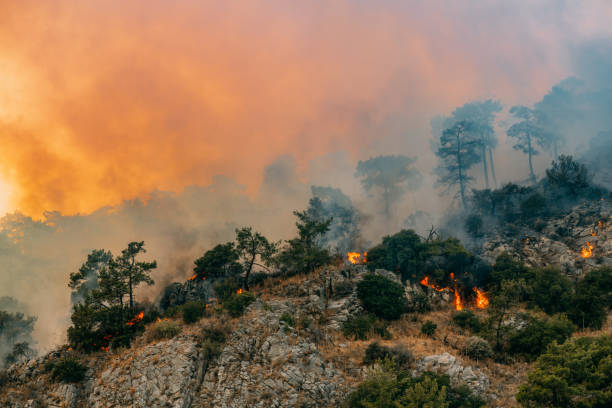
Floods, storms, erosion, drought, and wildfires can cause:
-
injuries
-
burns
-
infections
-
displacement
-
loss of life
In many communities, health systems struggle to handle the increased number of emergencies.
How You Can Protect Yourself and Your Family
While climate change is a global issue, there are simple steps you can take to stay safe:
✔ Stay hydrated, especially during hot seasons
✔ Wear light clothing and avoid unnecessary sun exposure
✔ Use mosquito nets and insect repellents
✔ Keep your environment clean and avoid stagnant water
✔ Eat healthy, nutritious foods
✔ Ensure water is boiled, filtered, or treated
✔ Reduce use of generators and avoid open burning
✔ Plant trees around your home
✔ Go for medical checkups regularly
✔ Seek medical help when you notice unusual symptoms
Your Health Matters — Get Help Early:Health Risks Related
Climate change may be a global issue, but your health is personal, and early medical care can save lives.
If you experience:
-
breathing difficulty
-
persistent fever
-
frequent headaches
-
malaria symptoms
-
stress or anxiety
-
tiredness during heat, speak to a doctor immediately
You don’t have to wait until it becomes serious. Book an appointment now at: www.virtualdoctors.ng
Download the Virtual Doctors Africa app on Google Play to get started: https://play.google.com/store/apps/details?id=ng.virtualdoctors.app
Virtual Doctors Africa makes it easy to talk to a qualified doctor from anywhere — fast, affordable, and convenient.