The Hidden Dangers of Using Calcium Carbide to Ripen Fruits
Calcium Carbide to Ripen Fruits
Fruits are supposed to be nature’s gift healthy, sweet, and packed with vitamins. But today, many fruits sold in markets are no longer ripened naturally. Some farmers and sellers use calcium carbide, a dangerous chemical, to force fruits to ripen quickly so they can sell them faster and make more profit.
Most people eat these fruits without knowing they contain harmful chemicals that can affect their health slowly or even cause life-threatening conditions. This article explains in simple terms what calcium carbide is, why it is dangerous, how to identify artificially ripened fruits, and how to protect yourself and your family, calcium carbide to ripen fruits.
What is Calcium Carbide?
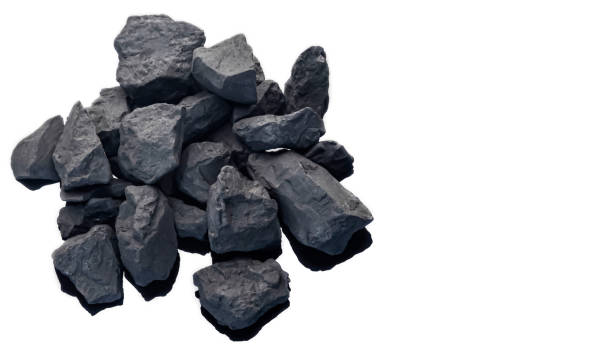
Calcium carbide is an industrial chemical normally used for welding, producing plastics, and generating acetylene gas.
It is NOT meant for human food.
However, some fruit sellers use it illegally to ripen fruits such as:
-
Banana
-
Plantain
-
Mango
-
Pawpaw (papaya)
-
Orange
-
Avocado
-
Guava
-
Tomatoes
When calcium carbide comes into contact with moisture, it produces acetylene gas, a substance that mimics the natural ripening hormone (ethylene). This makes fruits turn yellow or soft quickly sometimes within 24 hours.
But while the fruits look ripe, they are not truly ripe and may be filled with toxic substances.
Why Calcium Carbide Is Dangerous: Calcium Carbide to Ripen Fruits
Calcium carbide contains harmful impurities such as arsenic and phosphorus, which are extremely toxic. When you eat fruits ripened with this chemical, these poisons enter your body, calcium carbide to ripen fruits.
Health Risks Include:
1. Stomach and intestinal problems
Vomiting, diarrhea, stomach cramps, and food poisoning are common side effects.
2. Long-term organ damage
Continuous exposure can damage:
-
Liver
-
Kidney
-
Lungs
-
Brain
3. Mouth and throat irritation
Eating artificially ripened fruits may cause a burning sensation in the mouth, sore throat, or mouth ulcers.
4. Cancer risk
Arsenic and phosphorus are classified as carcinogenic (cancer-causing) substances. Long-term consumption increases the risk of cancers.
5. Weak immune system
Toxic chemicals weaken the immune system, making you more vulnerable to infections.
6. Hormonal imbalance: Calcium Carbide to Ripen Fruits
Acetylene gas affects the hormones responsible for natural fruit ripening and may disturb hormonal balance in humans, especially children.
7. Poor nutrition
Artificially ripened fruits may look good on the outside but lack natural sweetness, nutrients, and antioxidants found in naturally ripened fruits.
How to Identify Fruits Ripened With Calcium Carbide
Chemically ripened fruits often have visible signs. Here is how to spot them easily:
1. Fruits Ripen Unevenly
Look for fruits that have:
-
Yellow patches mixed with green patches
-
Bright yellow skin but hard, unripe flesh inside
Natural ripening is usually even and gradual, while carbide ripening happens too fast.
2. Strong, Strange Smell: Calcium Carbide to Ripen Fruits
Fruits ripened with chemicals often have:
-
A faint chemical smell
-
No natural fruity aroma
If the fruit smells “off,” it may be artificially ripened.
3. Very Soft but Not Sweet
Artificially ripened fruits are:
-
Soft outside
-
Hard inside
-
Tasteless or sour
They may look ripe but lack natural sweetness.
4. Fruit Skin Looks Too Perfect: Calcium Carbide to Ripen Fruits
If mangoes, bananas, or pawpaw look:
-
Too bright
-
Too shiny
-
Too smooth…it may be chemical ripening. Natural fruits usually have slight blemishes or imperfections.
5. Bananas Turn Yellow Too Fast
If bananas become bright yellow within a day, they were likely force-ripened.
Naturally ripened bananas take several days and develop black spots as they ripen.
6. Powdery Residue
Sometimes calcium carbide leaves a dusty white or grey residue on the fruit surface.
Always wash fruits properly.
How to Identify Naturally Ripened Fruits
Naturally ripened fruits have signs of slow, healthy ripening:
1. Sweet natural smell
Naturally ripe fruits have a strong fruity aroma.
2. Even color and texture
No sudden color patches , ripening is gradual.
3. Softer near the stem
Natural fruits soften gradually, especially around the stem area.
4. Black or brown spots
These are natural signs of ripening, especially in bananas and mangoes.
5. Juicy and flavorful
Naturally ripened fruits taste better and contain more nutrients
How to Protect Yourself and Your Family: Calcium Carbide to Ripen Fruits
To avoid the dangers of chemically ripened fruits:
✔ Wash fruits thoroughly with warm water and salt
This helps remove surface chemicals.
✔ Peel fruits before eating
Especially bananas, mangoes, pawpaw, and oranges.
✔ Buy from trusted fruit sellers
Avoid suspiciously perfect fruits.
✔ Prefer fruits in season
Seasonal fruits are less likely to be artificially ripened.
✔ Grow fruits at home if possible
Even small gardens or pots can produce healthy fruits.
✔ Look out for suspicious ripening patterns
If it ripens too fast, smells odd, or tastes wrong, avoid it.
Your Health Comes First: Calcium Carbide to Ripen Fruits
Eating fruits should improve your health, not harm it. If you or your family experience symptoms like persistent stomach pain, nausea, mouth irritation, or strange reactions after eating fruits, speak to a doctor immediately.
Chat with a doctor now on Virtual Doctors Africa for private, safe, and immediate medical support. Download the Virtual Doctors Africa app on Google Play to get started:
👉 https://play.google.com/store/apps/details?id=ng.virtualdoctors.app