Hiccups — Causes, Meaning, and Remedies for Babies and Adults
Hiccups in Babies and Adults
Hiccups — those sudden, involuntary “hic” sounds we sometimes make — may seem harmless, but they can be annoying, uncomfortable, and even worrying when they last too long. They can happen to anyone, from newborn babies to older adults. Understanding what causes hiccups and how to manage them can help you respond calmly and effectively when they occur.
In this article, you’ll learn everything you need to know about hiccups — their meaning, causes, triggers, remedies, and when to see a doctor.
What Are Hiccups?
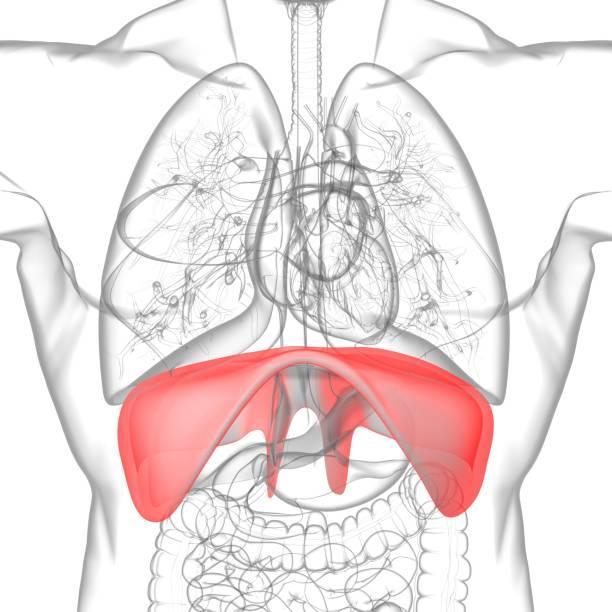
Hiccups are sudden, involuntary contractions (spasms) of the diaphragm — the large muscle at the base of your lungs that helps you breathe. When this muscle contracts involuntarily, the vocal cords quickly close, producing the characteristic “hic” sound.
These spasms usually occur in a repetitive rhythm, lasting from a few seconds to several minutes. Most cases of hiccups are short-lived and harmless. However, when hiccups persist for hours or even days, they can signal an underlying medical problem that needs professional attention.
How Hiccups Happen — The Science Behind the “Hic”
Your diaphragm works together with your lungs to control breathing. Normally, when you inhale, the diaphragm contracts and moves downward to allow the lungs to fill with air. When you exhale, it relaxes and moves upward, helping air leave your lungs.
A hiccup happens when the diaphragm suddenly contracts out of rhythm — often triggered by irritation of the nerves controlling it (the phrenic and vagus nerves). This causes a quick intake of breath, immediately followed by the closing of your vocal cords, producing the familiar “hic” sound.
Common Causes of Hiccups in Adults
While hiccups can sometimes seem random, there are several well-known triggers that can cause them in adults. These include:
-
Eating Too Quickly: Swallowing food or drinks too fast can cause you to gulp air, irritating the diaphragm.
-
Overeating: A full stomach can press against the diaphragm, leading to hiccups.
-
Carbonated Beverages: Drinks like soda and sparkling water release gas in your stomach, which can stimulate hiccups.
-
Spicy or Hot Foods: These can irritate your esophagus and diaphragm.
-
Sudden Temperature Changes: Drinking a hot beverage followed by a cold one (or vice versa) can confuse the diaphragm’s nerve signals.
-
Emotional Stress or Excitement: Sudden bursts of emotion, laughter, or anxiety can trigger diaphragm spasms.
-
Alcohol Consumption: Drinking alcohol irritates the stomach lining and affects nerve control of the diaphragm.
Medical and Chronic Causes of Persistent Hiccups
When hiccups last longer than 48 hours (persistent hiccups) or even more than a month (intractable hiccups), they may indicate an underlying medical issue. Some of the potential causes include:
-
Nerve Damage or Irritation: Conditions that affect the vagus or phrenic nerves, such as goiter, sore throat, or even a hair touching your eardrum.
-
Central Nervous System Disorders: Stroke, traumatic brain injury, brain tumors, or infections like meningitis can interfere with the body’s hiccup control system.
-
Metabolic Disorders: Imbalances like diabetes, low sodium (hyponatremia), or kidney failure.
-
Medications: Some drugs — including steroids, tranquilizers, and chemotherapy medications — may cause hiccups as a side effect.
-
Gastrointestinal Conditions: Acid reflux (GERD), ulcers, or stomach distention can irritate the diaphragm.
Persistent hiccups can disrupt eating, sleeping, and speaking. If you experience hiccups lasting longer than 48 hours, it’s important to consult a licensed medical doctor immediately, Hiccups in Babies and Adults.
Hiccups in Babies — Why They’re So Common
It’s very common for newborns and infants to have hiccups, often several times a day. This usually doesn’t indicate illness or discomfort, Hiccups in Babies and Adults.
Here’s why babies hiccup so frequently:
-
Developing Nervous System: A baby’s diaphragm and nerves are still maturing, which makes spasms more likely.
-
Feeding: Babies often swallow air while breastfeeding or bottle-feeding, especially if they feed too fast or gulp milk greedily.
-
Temperature Changes: Sudden shifts in temperature (like after a bath or feeding) can trigger hiccups.
-
Overfeeding or Gas: A full stomach or trapped air can press against the diaphragm.
Most baby hiccups are harmless and go away on their own. You can try to:
-
Pause feeding and gently burp the baby.
-
Keep the baby upright after feeding for about 15–20 minutes.
-
Avoid overfeeding and check that bottle nipples allow slow, steady milk flow.
If your baby’s hiccups are frequent and interfere with feeding or sleep, or if the baby appears distressed, consult a pediatrician.
Quick Remedies for Hiccups in Adults
Although hiccups often disappear on their own, there are several simple home remedies people have used for decades to stop them quickly. While not all are scientifically proven, they can be effective for mild, occasional hiccups:
-
Hold Your Breath: Inhale deeply and hold for a few seconds before exhaling slowly. This increases carbon dioxide levels, helping to relax the diaphragm.
-
Drink Cold Water: Sip or swallow small amounts of cold water steadily to reset the diaphragm rhythm.
-
Swallow Sugar or Honey: A spoonful of sugar can stimulate the vagus nerve, interrupting the hiccup cycle.
-
Pull on Your Tongue: This may help stimulate throat nerves and calm diaphragm spasms.
-
Gargle with Cold Water: Another way to stimulate nerves in your throat.
-
Breathe into a Paper Bag: This increases carbon dioxide levels, which can calm diaphragm spasms (do not use this method if you feel dizzy or have breathing problems).
-
Sit and Hug Your Knees: This position compresses your chest and can help the diaphragm relax.
⚠️ Important: If hiccups last more than two days, or you have chest pain, vomiting, or weight loss along with hiccups, see a doctor. These could be signs of a more serious condition.
When to See a Doctor
You should book an appointment with a licensed and experienced doctor if:
-
Hiccups last longer than 48 hours.
-
They cause trouble eating, sleeping, or speaking.
-
You experience chest pain, vomiting, or shortness of breath.
-
Hiccups occur frequently without clear triggers.
-
Your baby’s hiccups are accompanied by crying, discomfort, or poor feeding.
A healthcare professional can conduct a physical examination, review your medical history, and perform tests if necessary to determine the underlying cause, Hiccups in Babies and Adults.
Treatment Options for Persistent Hiccups
If hiccups don’t resolve naturally or through simple remedies, a doctor may prescribe treatments such as:
-
Medications: Chlorpromazine, baclofen, or metoclopramide may be used in persistent cases.
-
Treatment of Underlying Conditions: For example, managing acid reflux, diabetes, or infections that might be triggering hiccups.
-
Medical Procedures: In very rare cases, nerve blocks or surgical interventions may be considered if all other options fail.
Prevention Tips — Keeping Hiccups Away
To reduce the likelihood of hiccups:
- Eat slowly and avoid gulping food or drinks.
- Limit carbonated beverages and alcohol.
- Avoid overeating or eating when overly full.
- Manage stress and practice relaxation techniques.
- Keep feeding times calm and slow for babies.
Hiccups are a normal body reflex — usually brief and harmless — but they can also be a sign that your diaphragm or nervous system needs attention. Whether it’s a short “hic” or a long-lasting case, understanding the cause helps you respond wisely.
If your hiccups persist or cause concern, don’t ignore them. Book an appointment with licensed and experienced doctors today at www.virtualdoctors.ng and get professional guidance without leaving your home.
You can also download the Virtual Doctors Africa app on Google Play to get started:
👉 https://play.google.com/store/apps/details?id=ng.virtualdoctors.app
With Virtual Doctors Africa, you can consult certified doctors, get prescriptions, and manage your health conveniently — anytime, anywhere.