What is Small Intestinal Bacterial Overgrowth (SIBO)
Have you ever experienced constant bloating, stomach discomfort, or unexplained gas that just won’t go away? Or perhaps you feel full quickly when eating, even with small meals? These could be signs of a lesser-known digestive condition called Small Intestinal Bacterial Overgrowth, or SIBO for short. Despite sounding complex, SIBO is something you can understand and manage with the right guidance.
What is Small Intestinal Bacterial Overgrowth?
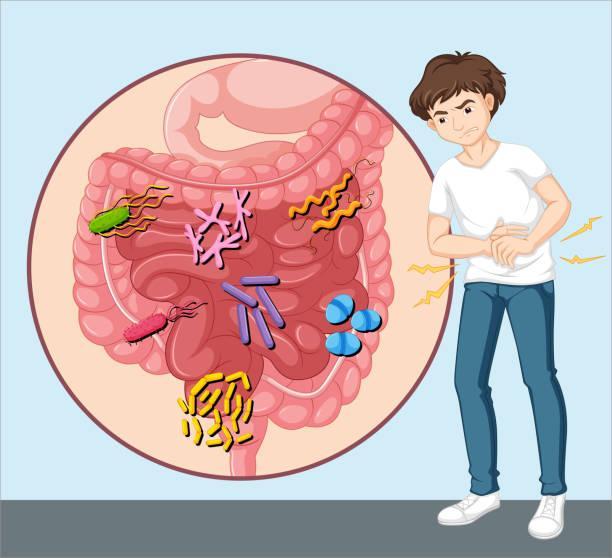
Our digestive system is home to trillions of bacteria. Most of these bacteria are good for us and live in the large intestine (colon), helping us digest food, produce vitamins, and maintain a healthy immune system. But sometimes, bacteria that are usually in the colon start growing in the small intestine, where they aren’t supposed to be in large numbers. This overgrowth of bacteria in the small intestine is what doctors call SIBO.
When there are too many bacteria in the small intestine, they interfere with normal digestion and nutrient absorption. This can cause a range of uncomfortable symptoms and even lead to malnutrition if left untreated.
Common Symptoms of SIBO
SIBO doesn’t always look the same for everyone, but some common signs include:
-
Bloating and abdominal distension – your stomach may feel tight or swollen after meals.
-
Excess gas and flatulence – you might notice frequent burping or passing gas.
-
Diarrhea or constipation – sometimes both, alternating unpredictably.
-
Feeling full quickly – even small meals can make you feel stuffed.
-
Stomach cramps or discomfort – often after eating certain foods.
-
Unexplained weight loss – in more severe cases, due to poor nutrient absorption.
These symptoms can overlap with other digestive problems like irritable bowel syndrome (IBS) or food intolerances, which is why SIBO is often overlooked or misdiagnosed.
Causes of Small Intestinal Bacterial Overgrowth
Several factors can lead to SIBO, including:
-
Poor gut motility – if the small intestine doesn’t move food along efficiently, bacteria can accumulate.
-
Structural problems – conditions like intestinal strictures, diverticula, or previous surgeries can create spaces where bacteria thrive.
-
Immune system issues – a weak immune system may fail to keep bacteria in check.
-
Chronic illnesses – diabetes or other conditions that affect digestion can increase the risk.
-
Medications – long-term use of antibiotics, proton pump inhibitors (PPIs), or certain other drugs can disrupt gut bacteria balance.
How SIBO Affects Your Body
When bacteria overgrow in the small intestine, they start fermenting the food that passes through, producing gas and other by-products. This fermentation causes bloating, cramps, and flatulence. Over time, SIBO can prevent the small intestine from absorbing nutrients like vitamins, minerals, and fats, which can lead to deficiencies and fatigue.
In severe cases, untreated SIBO can contribute to conditions like osteoporosis, anemia, and other health problems caused by malnutrition. That’s why early detection and management are so important.
Diagnosing SIBO
If you suspect SIBO, it’s important to consult a healthcare professional. Diagnosis often involves:
-
Breath tests – you breathe into a device after drinking a sugar solution. The test measures gases produced by bacterial fermentation.
-
Endoscopy and small intestine fluid analysis – in some cases, doctors may take a sample from the small intestine to check bacterial levels.
-
Symptom tracking – keeping a detailed food and symptom diary can help identify patterns and triggers.
Managing and Treating SIBO
Treatment usually depends on the severity of your SIBO and its underlying cause. Common approaches include:
-
Antibiotics – prescribed by a doctor to reduce bacterial overgrowth.
-
Dietary changes – following a low-FODMAP diet or other tailored meal plans can help reduce symptoms.
-
Probiotics and supplements – sometimes used to restore healthy gut bacteria after treatment.
-
Addressing underlying conditions – treating causes like slow gut motility, immune issues, or structural problems.
How to Prevent SIBO
While not all cases can be prevented, certain habits may reduce your risk:
-
Eating smaller, frequent meals to aid digestion
-
Chewing food thoroughly
-
Staying active to support gut motility
-
Managing stress, as it can affect digestive health
-
Avoiding unnecessary prolonged use of antibiotics
Don’t Suffer in Silence – Seek Professional Help
If you experience persistent bloating, gas, or digestive discomfort, don’t ignore it. SIBO is a manageable condition, but it requires proper evaluation and treatment. Virtual Doctors Africa makes it easier to get professional medical guidance from the comfort of your home. You can register for free at www.virtualdoctors.ng and download the Virtual Doctors Africa app on Google Play to get started:
👉 https://play.google.com/store/apps/details?id=ng.virtualdoctors.app
Through Virtual Doctors Africa, you can consult licensed healthcare professionals who will guide you on diagnosis, treatment, and lifestyle adjustments to manage SIBO and other digestive issues effectively. No long waits, no unnecessary travel – just fast, convenient, and reliable medical support right on your phone.
Small Intestinal Bacterial Overgrowth may sound complicated, but understanding it is the first step toward relief. Recognizing the symptoms, seeking timely medical advice, and making the right lifestyle and dietary adjustments can make a huge difference. Remember, persistent bloating or digestive discomfort is not something you have to live with, and professional help is just a click away with Virtual Doctors Africa.